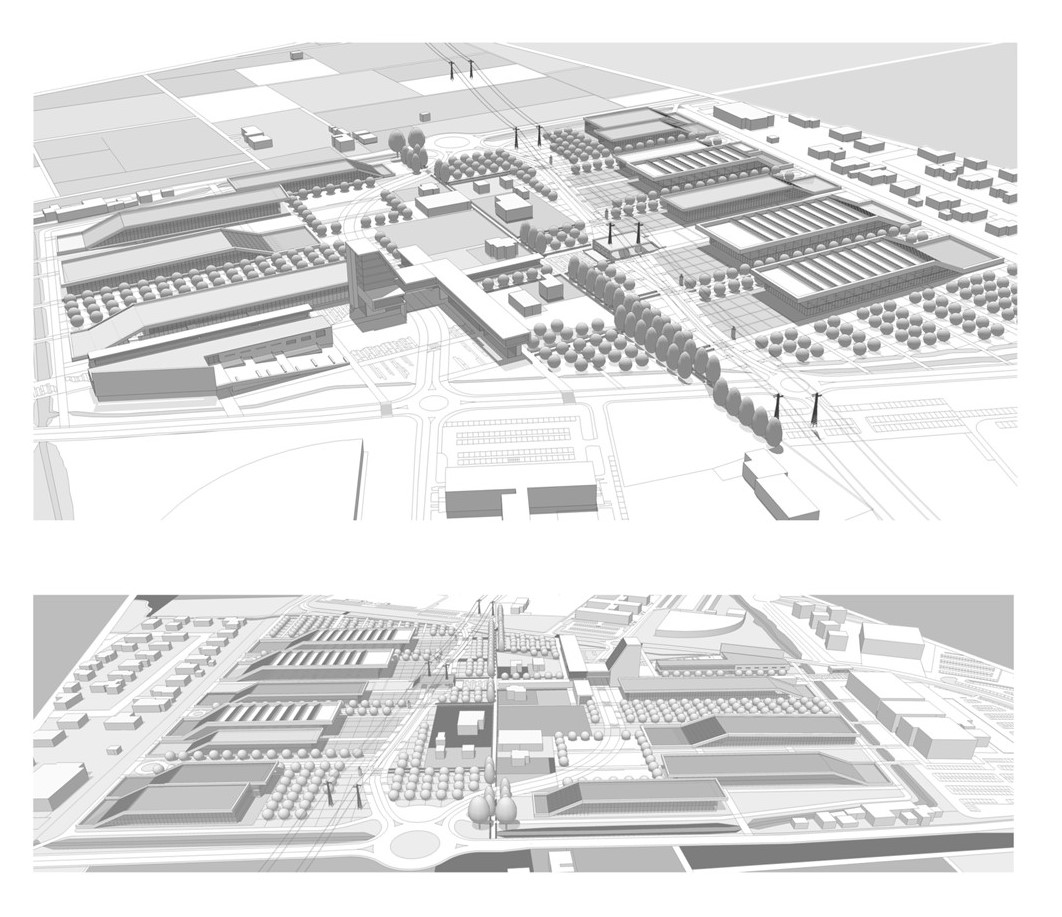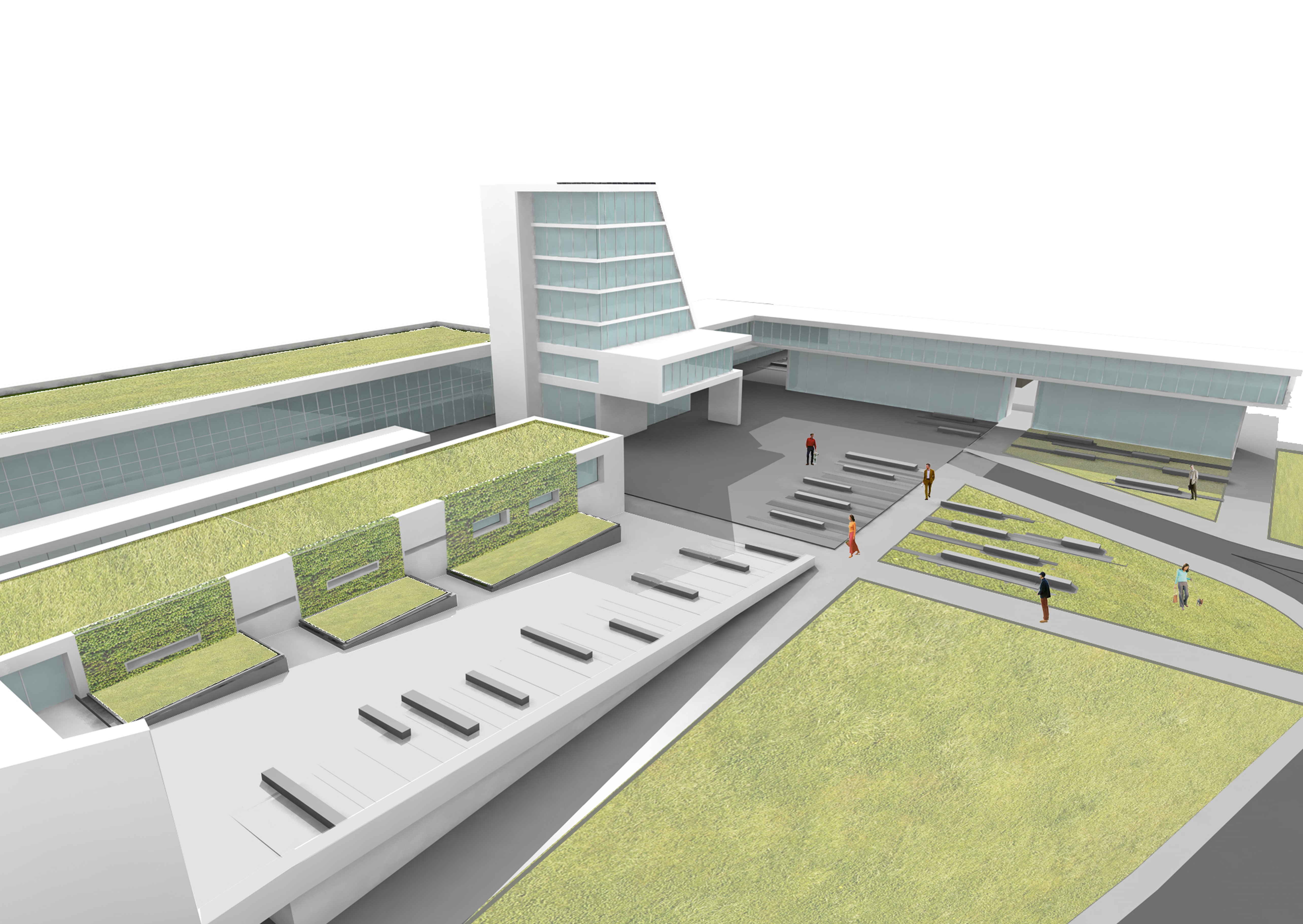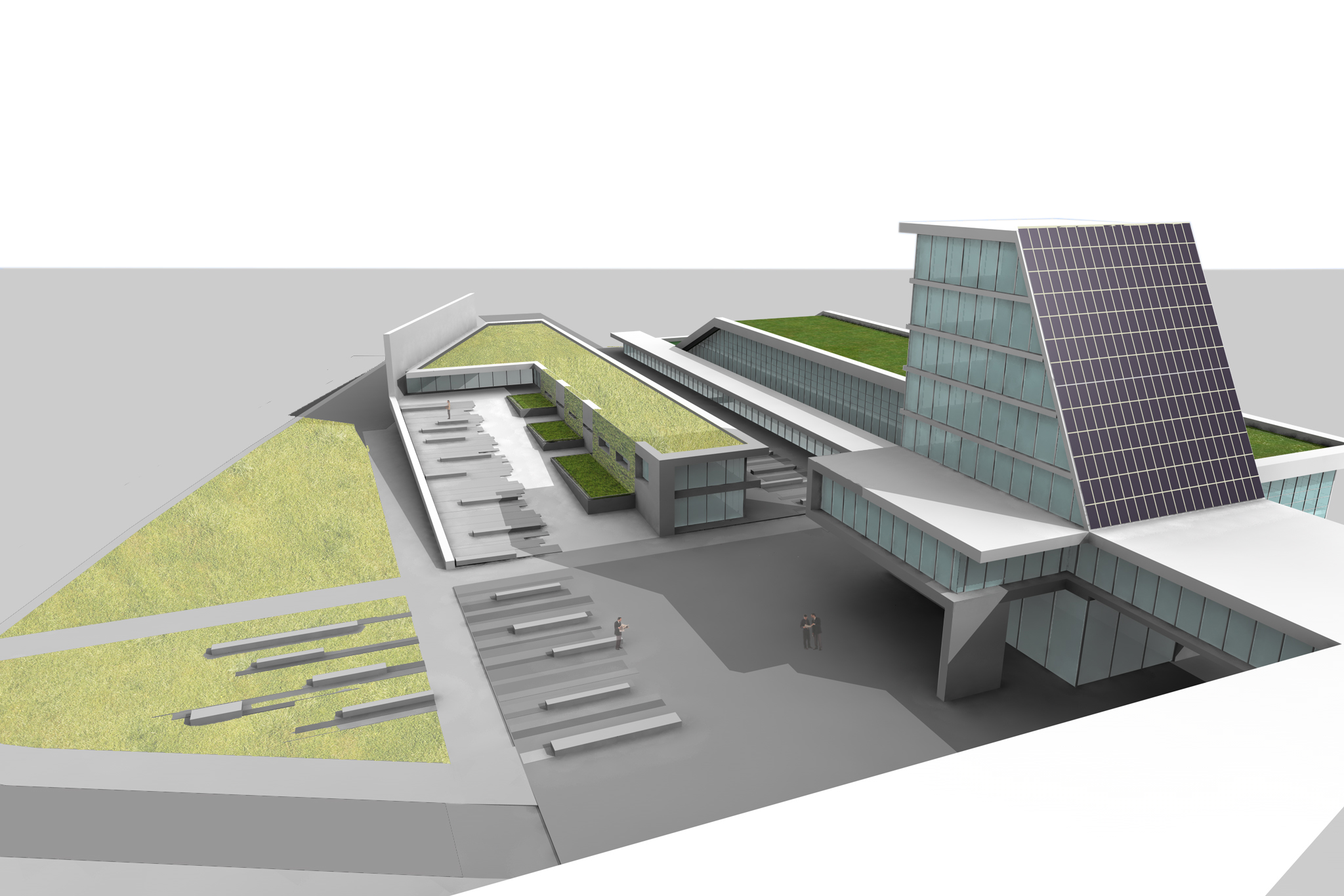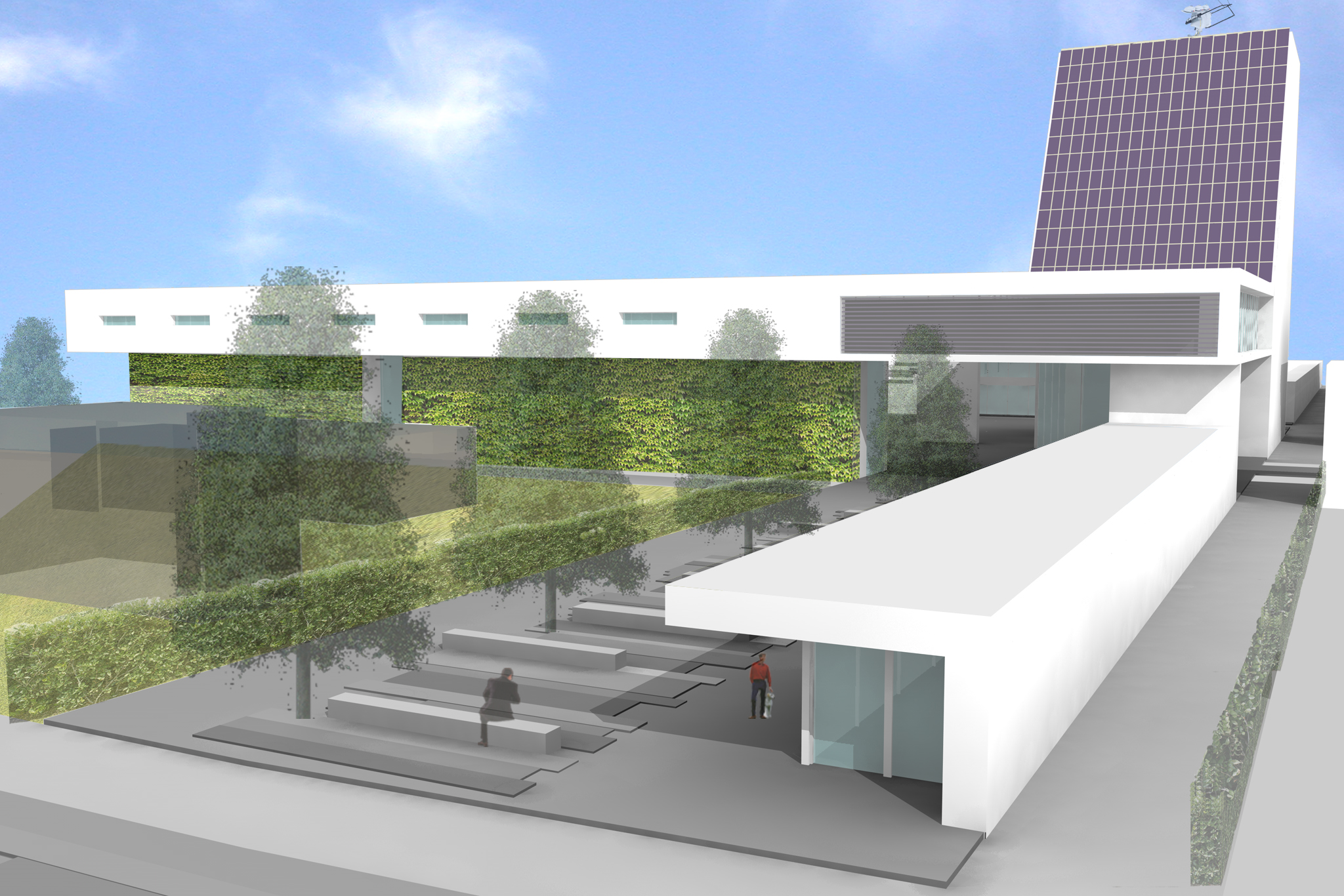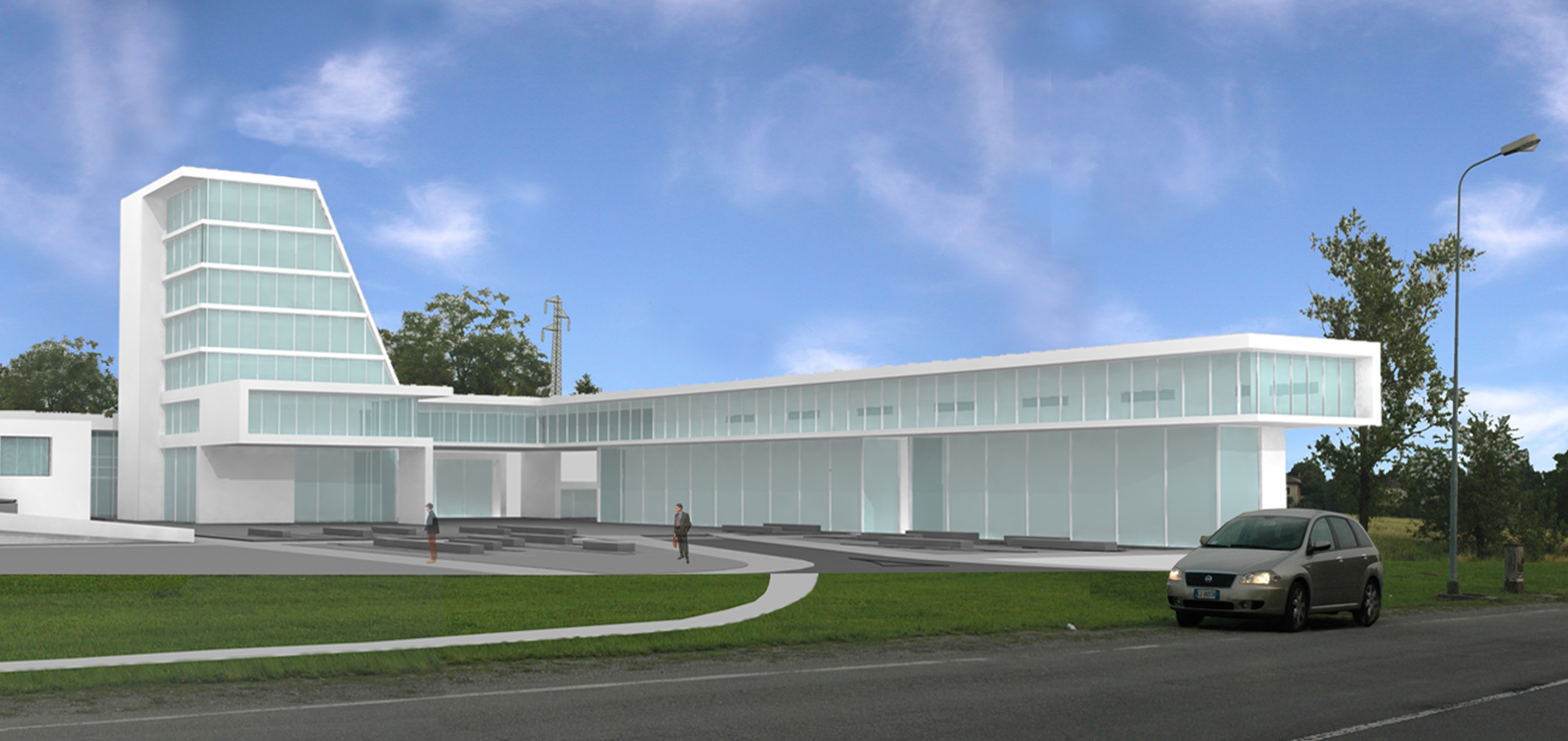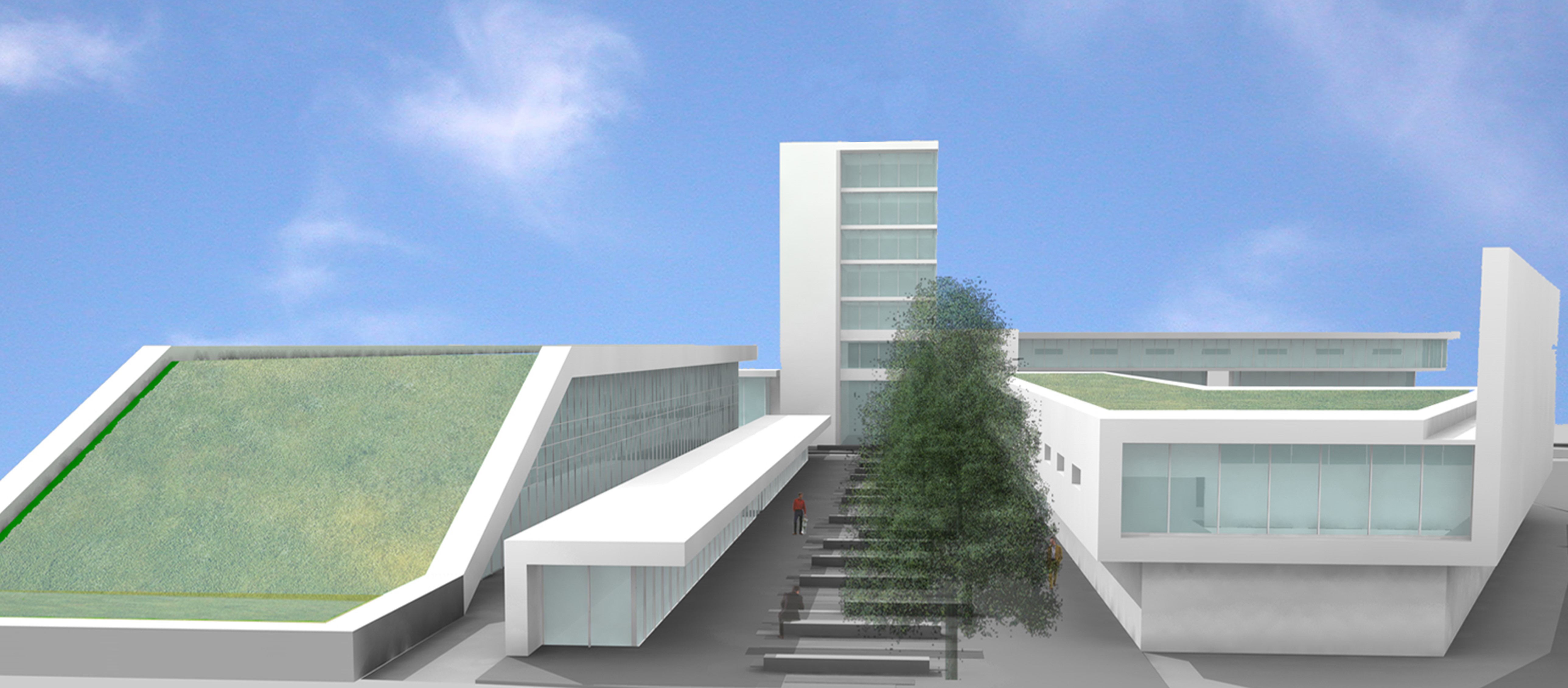
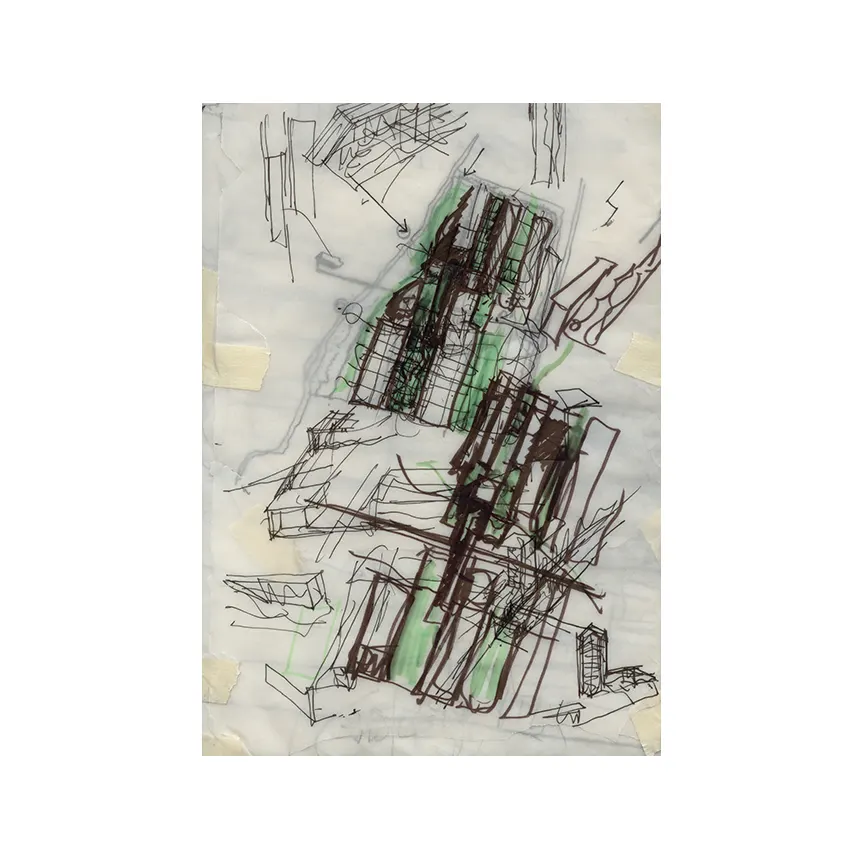
The Disegno della campagna (Design of the Countryside) is a project-manifesto in which urban design applies technological innovation and the new paradigm of sustainability in pursuit of a settlement rooted in its surrounding landscape. The proposal – winner of an international competition – offers the synthesis of a multidisciplinary approach that addresses the theme of a new scientific research centre linked to the university as an opportunity to experiment with an architectural synthesis of the context. The masterplan interprets the design of the countryside and the existing traces of settlement proposing an alternative layout to the approach of subdivision by lots typical of detailed urban plans. The project envisions structuring the entire settlement based on a system of layouts defined by orthogonals and parallels to the historical axis, which will be superimposed as a pedestrian-cycling mobility route over the more purely road traffic route. However, not only is the system of soft mobility connections structured along this axial articulation model, but the entire overall design is developed from this contextual matrix. Thus public spaces are arranged as a sequence of belts and openings, while the architectural components are configured as parts of raised terrain integrated into the overall landscape design. The outcrop of laboratory pavilions – like the more decisive architecture that defines what we have called the Piazza delle Scienze – represent the application of the logic of productive organisation of the countryside by plots and perimeter parcels to the settlement. The dialectic between the emergence of the laboratories – with accessible garden-roofs and photovoltaic roofs – as raised parts of the countryside and the adjoining of an autonomous system of bicycle and pedestrian paths to the carriageway guide the choices regarding the landscape and the planting of greenery.
Città delle scienze SPA
Parma, 2008